







Search Results for: Ethiopian exchange rate

Ethiopian Birr exchange rate continues to fluctuate, coffee exports may face pressure to slow down
Recently, a document regarding the design of Ethiopia's new banknotes circulated on social platforms, drawing outside attention to the trajectory of the country's currency, the birr. Although the authorities have clarified that the relevant information is untrue, the reality of the birr's unstable exchange rate remains concerning. Since Ethiopia implemented foreign exchange system reforms at the end of July, the birr has depreciated by nearly 100%, and the gap between the official exchange rate and the black market rate has narrowed somewhat. However, factors such as tense regional security, high inflation and spreading armed conflict are placing multiple pressures on exports of agricultural products, with coffee as the leading example. Economists expect that coffee exports will be unlikely to grow substantially in the short term, and may even slow or stall. [more…]

Ethiopia's exchange rate volatility intensifies, coffee export prices continue to climb
The National Bank of Ethiopia recently held a foreign exchange auction in an attempt to narrow the gap between the official exchange rate and the parallel market, but the sharp depreciation of the birr has already pushed up domestic prices, with the coffee industry bearing the brunt. The Coffee and Tea Authority, together with the National Bank, has issued minimum export floor prices for each producing region. The price of G1-grade coffee beans rose by about 5% month-on-month, while the increase for commercial beans reached 14%. The combined effects of exchange rate volatility, dependence on imports, and insufficient foreign exchange earning capacity mean that prices for Ethiopian coffee and other export commodities may continue to rise in the future. Front Street Coffee continues to monitor developments in producing regions, bringing enthusiasts the latest market analysis. [more…]

Ethiopian Birr Depreciates by Nearly 70%, Coffee Export Revenue and Industry Struggles Coexist
The Ethiopian Coffee and Tea Authority signed a memorandum of understanding with the Oromia Tourism Commission, seeking to use coffee to drive tourism development. In the previous fiscal year, the country earned US$1.4 billion in foreign exchange from coffee exports, but the industry is broadly worried about the impact of the sharp fall in the exchange rate—the birr has depreciated by nearly 70% against the US dollar, and the local cost of living has risen sharply, with prices of staple foods such as onions, cooking oil and teff soaring. The government is releasing supplies to stabilize prices while preparing to regain AGOA eligibility. However, with the cloud of armed conflict still hanging over the country, the coffee industry faces multiple pressures from rising cultivation costs, limited productivity and political instability. [more…]
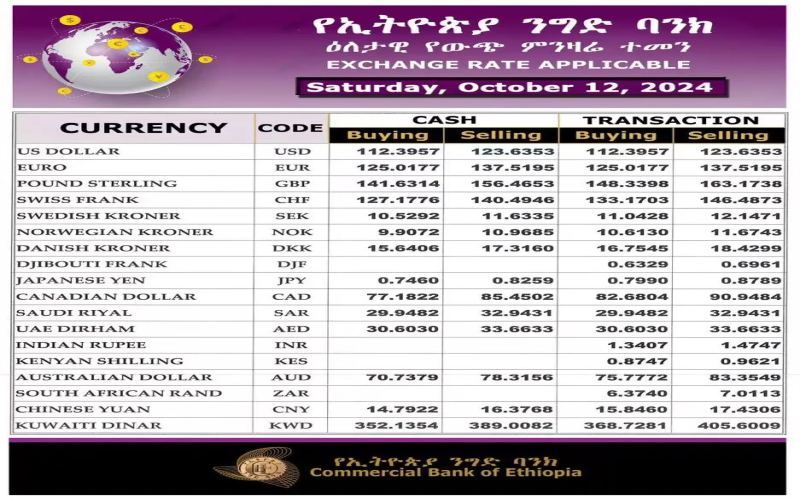
Ethiopia's foreign exchange crisis deepens, coffee industry squeezed by both transport and exchange rate pressures
Since Ethiopia launched its foreign exchange system reform in July, the gap between the official exchange rate and the parallel market (black market) narrowed for a time, but signs of slowing have recently reappeared. As of mid-October 2024, the official exchange rate was 116.97 birr per US dollar, while the black market rate was as high as 140 birr, forcing businesses to take desperate risks amid the foreign exchange shortage. Costs are climbing for import-dependent enterprises, and inflationary pressure is transmitting to the coffee industry, driving up cultivation costs and pushing the minimum selling price across the board up by 2%. At the same time, the government is accelerating the opening of the logistics industry, attempting to ease transport bottlenecks by bringing in foreign investment, but port access and regional security remain uncertain factors. This article will sort out the chain reaction among exchange rates, logistics, and coffee exports. [more…]

Birr exchange rate falls for three consecutive days to 83.94, Ethiopia's foreign exchange reform triggers a chain reaction in prices and coffee exports
Since Ethiopia implemented a new foreign exchange policy on July 31, the birr has fallen three times in a row against the US dollar within just a few days, dropping to 83.94 birr per US dollar on August 2, sharply increasing the pressure on local people's livelihoods. The Addis Ababa City Trade Bureau promptly sanctioned 387 businesses suspected of price gouging, while opposition parties criticized the timing of the reform as inappropriate. At the same time, exports of agricultural products such as coffee have gained competitiveness in the short term due to currency depreciation, but climate disasters, the Red Sea shipping crisis, and domestic conflict cast a shadow over the long-term outlook. This article will sort out the deeper impact of exchange rate fluctuations on Ethiopia's economy, prices, and coffee industry, and also look at how brands such as Front Street Coffee are responding amid changes in the place of origin. [more…]

Ethiopia's Central Bank Narrows Foreign Exchange Bid-Ask Spread to 2%, Bringing Good News for Coffee Exporters
On October 15, the National Bank of Ethiopia introduced a new regulation capping the spread between the buying and selling rates for foreign exchange transactions at 2%, effective the following day. This marks another significant adjustment following the country's shift to a market-based exchange rate system in July of this year. Previously, the birr depreciated sharply, and the bid-ask spread at one point exceeded 10 birr, placing heavy pressure on exporters. The new policy requires banks to disclose all fees transparently, which is expected to reduce exchange losses for exporters and bodes well for major export commodities such as coffee. Nevertheless, Ethiopia still faces multiple challenges, including the conflict in Amhara region, the Red Sea blockade, and the port dispute with neighboring Somalia. [more…]

Ethiopia Launches Exchange Rate System Reform, Birr Depreciates by 30% in a Single Day, Coffee Exports Face a New Landscape
On July 29, 2024, the National Bank of Ethiopia announced a major overhaul of the country's foreign exchange system, effective immediately, centered on introducing a competitive exchange rate formation mechanism based on market supply and demand. This move was seen as a key step toward resolving the country's long-standing foreign exchange shortage, but it also quickly triggered a sharp currency depreciation—the birr plunged about 30% against the US dollar in a single day. As a major global coffee-producing region, how will this policy shift in Ethiopia affect its coffee industry and the international coffee market? This article will outline the specifics of the reform, the exchange rate movements, and their potential transmission effects on coffee exports and prices. [more…]

Ethiopia's Coffee Export Pricing Shifts to a Floating Mechanism, Green Bean Prices May Rise
The Ethiopia Commodity Exchange is implementing a brand-new pricing method for green coffee exports. From now on, green coffee prices will be calculated weekly by referencing Arabica futures on the New York ICE Intercontinental Exchange and the real-time exchange rate of the Commercial Bank of Ethiopia. This change is expected to allow local coffee farmers to share in more of the benefits, but it also faces a dual test from international futures volatility and the EU's EUDR regulations. The new mechanism applies only to commercial coffee beans, while specialty coffee is not included for the time being. Front Street Coffee will continue to follow developments in producing regions and bring first-hand information to enthusiasts. [more…]

Ethiopian regulators halt cooperation with Chinese coffee merchants over unpaid goods, affecting foreign exchange earnings
As Africa's largest coffee producer, Ethiopia is known for the floral and fruity aromas of its coffee beans, and in recent years it has become increasingly popular in the Chinese market. However, a recent report from local media has drawn attention: the Ethiopian Coffee and Tea Authority has decided to ban a Chinese coffee company from signing contracts with Ethiopian parties because it failed to pay its local exporter. This incident not only reflects payment disputes in China-Ethiopia coffee trade but also highlights the importance of coffee exports to the country's foreign exchange earnings. This article will review the course of events, the companies involved, and local regulatory measures, and revisit the popularity of Ethiopian coffee in the Chinese market. [more…]
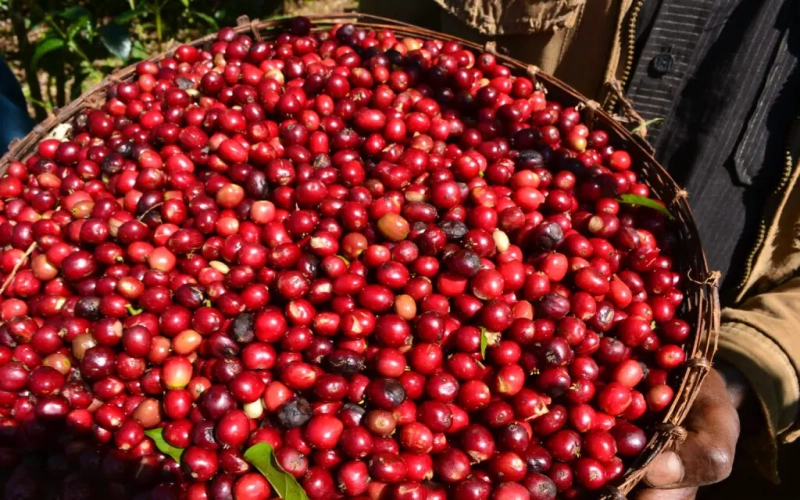
The Origin of African Coffee: A Comprehensive Analysis of Ethiopian Coffee Bean Origins, Processing Methods, and Grading Systems
Ethiopia is the birthplace of Arabica coffee and the world's fifth-largest Arabica producer, known for coffees with bright, citrus-like acidity and a tea-like sweet finish. This article systematically covers Ethiopia's coffee-growing regions, its three main cultivation models, the two major processing methods of washed and natural, the G1 to G9 grading and quality control system, and the evolution of the coffee export trade. It also draws on Front Street Coffee's cupping experience to help readers understand the crisp flavors Ethiopian beans display at light-to-medium roasts, as well as the stylistic differences between washed and natural Yirgacheffe and the basis for choosing between them. [more…]

Escalating Internal Conflict in Ethiopia Brings a New Round of Price Increases at Coffee Origins
The conflict between Fano forces and government troops in the Gojjam region of Ethiopia's Amhara State continues to intensify, with the Fano side vowing to retaliate against the government army's atrocities against civilians. This civil war has not only caused heavy casualties but also led to an economic blockade and soaring prices in the region. Meanwhile, Ethiopia's foreign exchange reform has triggered a sharp depreciation of the exchange rate, and the Red Sea shipping crisis has driven up import and export costs. Under these multiple pressures, the country's coffee cultivation costs are steadily rising, and the floor price for coffee exports has consequently been raised. As a major global coffee-producing region, Ethiopia's turbulent situation is profoundly affecting the international coffee market. [more…]

Ethiopia's Awash Region Experiences Frequent Earthquakes, Coffee Export Transport Chain Faces Challenges
Recently, multiple consecutive earthquakes have occurred in the Awash Fentale area of the Oromia Region in Ethiopia, raising concerns among local residents and those in the coffee industry. This area is not only close to the capital, Addis Ababa, but also adjacent to the important coffee-producing region of Harar, and the earthquakes may affect the soil and coffee yields. At the same time, the risk of damage to road infrastructure, combined with port congestion caused by the Red Sea crisis, may further disrupt Ethiopia's coffee export transportation. In addition, the conflict in the north and the continued depreciation of the exchange rate remain major challenges facing the country's coffee industry, with planting costs constantly rising and the coffee price cap being raised again. This article will review the earthquake developments and their potential impact on the coffee supply chain. [more…]
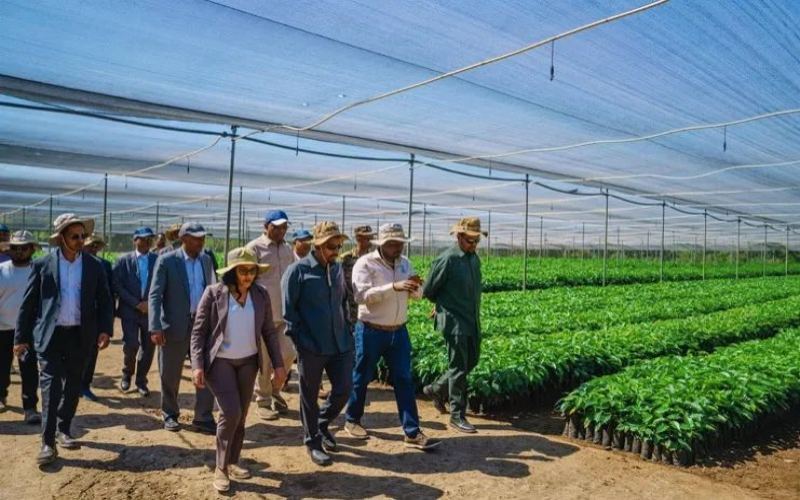
Ethiopia Aims for $2 Billion Coffee Exports in New Fiscal Year, Opportunities and Challenges Coexist
Ethiopia is striving to expand its coffee cultivation area and trade scale, aiming to achieve coffee export revenue exceeding 2 billion USD in the 2024/25 fiscal year. Over the past five years, the country has planted billions of coffee trees and introduced mechanized assistance, with export volumes in October of this fiscal year showing a significant year-on-year increase. However, the industry still faces price volatility, exchange rate risks, and uncertainties brought about by the new pricing mechanism. Meanwhile, Ethiopia and Somalia have signed the Ankara Declaration, which is expected to open up new maritime routes and alleviate logistical bottlenecks in coffee exports. This article will review the latest developments and prospects of Ethiopia's coffee industry. [more…]

U.S. Intervention in Tigray: Peace Deal Implementation Faces Internal and External Challenges, Ethiopia's Coffee Industry Under Pressure
The chairman of Ethiopia's Tigray interim government met with the US special envoy for the Horn of Africa on September 12, and the two sides discussed the difficulties and ways forward in implementing the Pretoria Peace Agreement. The US side expressed support for the Tigray interim government in accelerating the completion of its tasks, while the Tigray side called on the international community to jointly exert pressure to ensure the return of displaced people and ease the humanitarian crisis. However, after the agreement was signed, local violent conflict has still not subsided, divisions within the TPLF have intensified, and the risk of civil war has resurfaced. At the same time, the depreciation of Ethiopia's currency and soaring prices are putting pressure on people's livelihoods, and instability in the northern agricultural areas is gradually spilling over into the southern coffee-producing regions, with exchange rate volatility and rising costs becoming severe challenges facing the country's coffee industry. [more…]
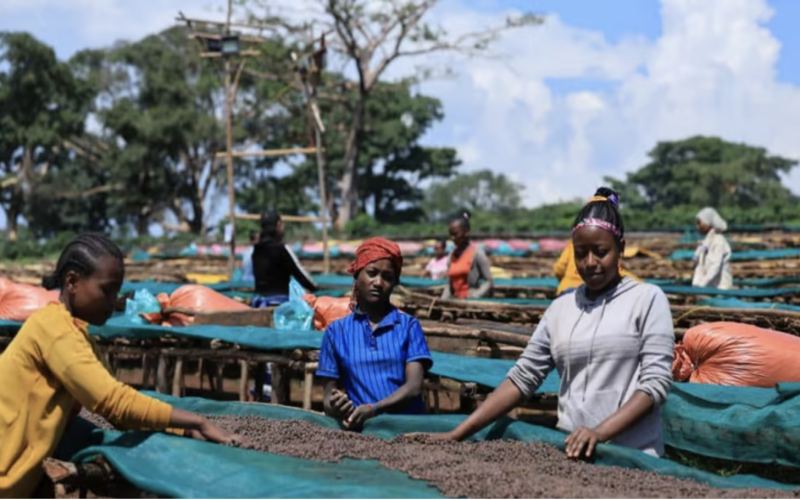
The grading system of Ethiopian coffee beans, the Yirgacheffe G1 and G2 grades.
We know that the grading method of coffee beans usually depends on the actual situation of the growing country, such as being divided according to the size of the coffee beans, like Kenyan coffee; being divided according to the altitude, like Blue Mo [more…]

The Origin of Sidamo Honey Coffee and a Detailed Explanation of Ethiopian Coffee Bean Grading Standards
Sidamo is one of Ethiopia's two major specialty coffee regions, sharing equal fame with Yirgacheffe, and is known for its rich fruity body and citrusy sweet finish. How exactly did Sidamo Honey coffee come to be? And how are Ethiopian coffee beans graded? This article will start with the geographical environment of the Sidamo region, the rise of the Guji region, and the origin of the name of Huakui coffee, then introduce in detail the coffee grading system of the Ethiopia Commodity Exchange (ECX), and share the brewing parameters and flavor performance of Front Street's 2025 new-crop Huakui coffee, giving you a comprehensive understanding of the ins and outs of this sought-after specialty coffee. [more…]

Analyzing the Grade Difference Between Ethiopian Coffee Beans G1 and G2: A Case Study of Washed Yirgacheffe Beans
Ethiopia, as the genetic repository of Arabica, has a truly unique coffee bean grading system. Because there are so many varieties, most growing wild or semi-wild, coffee farmers often process them in mixed batches at harvest, making it difficult to grade by size. As a result, the Ethiopian government chose to use defect rate as the primary criterion. After the new ECX system was implemented in 2009, cupping scores were also incorporated into the rating system, finally giving natural-process beans a chance to rank among G1 and G2. So, for washed Yirgacheffe of the same origin, just how big is the difference between G1 and G2? Front Street Coffee takes Kochere G1 and a washed Yirgacheffe everyday drinking bean G2 as examples, comparing green bean appearance, defect rate, and cupping flavor to give you a closer look. [more…]

A Complete Analysis of the Origins of Washed Yirgacheffe Worka and the Grading System of Ethiopian Coffee Beans
Yirgacheffe is the specialty entry choice for many coffee lovers, and the washed lot from the Worka cooperative is one of its most representative examples. This article starts from the Worka G1 cupped by Front Street Coffee, outlining the regional origins of Yirgacheffe and Sidamo, the background of the Worka cooperative, the washed processing flow and the characteristics of Ethiopian native varieties, and systematically explains the Ethiopian Commodity Exchange (ECX) coffee grading system, including the old defect bean ratio grading system, the nine-level classification combining physical characteristics and cup flavor, and the Q1 and Q2 specialty grades. At the end of the article, it also includes the light roast recommendations from Front Street Coffee's roaster, as well as comparative manual brewing tests at three water temperatures: 86°C, 90°C, and 94°C, to help readers find the brewing temperature that best presents Worka's bright fruit acidity and refreshing tea-like feel. [more…]
Ethiopian Yirgacheffe Worka Washed Heirloom: A Full Analysis of Grading Standards, Market Prices, Green Bean Characteristics, and Roast Levels
Yirgacheffe, as Ethiopia's most iconic specialty coffee region, has long held the position of the top entry-level choice for coffee enthusiasts, thanks to its signature floral and citrus notes. This article takes Front Street Coffee's Worka washed Yirgacheffe as an example to systematically review the terroir conditions of this region, background information on the Worka cooperative, the washed processing flow, and the definition and distribution characteristics of heirloom varieties. It also provides a detailed interpretation of the Ethiopian Commodity Exchange (ECX) coffee grading system, covering the scoring weights for physical characteristics and cup profile flavors, the logic behind the Q1 and Q2 grade classifications, and includes Front Street roaster's medium-light roast recommendations tailored to Yirgacheffe's acidity, offering a reference for purchasing and brewing. [more…]

Yirgacheffe Coffee Bean Grading System and Variety Analysis: A Complete Guide from Regional Flavor to Front Street Brewing Parameters
Yirgacheffe is Ethiopia's most iconic specialty coffee region, renowned worldwide for its citrus florals and bright acidity. This article systematically reviews Yirgacheffe's regional origins, the characteristics of its heirloom varieties, the ECX grading system (including its dual standards of defect rate and cupping score), and the flavor differences between washed and natural processing methods. It also draws on Front Street Coffee's brewing experience to provide specific V60 extraction parameters and a staged pouring schedule, along with flavor descriptions of two beans: Front Street washed Kochere and natural Red Cherry. Whether you are a newcomer just discovering specialty coffee or a veteran looking for an everyday bean, you will find practical reference for both buying and brewing. [more…]